Meaning, style, gifts, buying & care
Gemstone meanings for gifts, birthdays, and everyday jewelry.
Start with the symbolism, then make a grounded choice. Explore gemstone meanings, gift ideas, birthstone traditions, jewelry styling, and practical care through cultural context and gem knowledge.
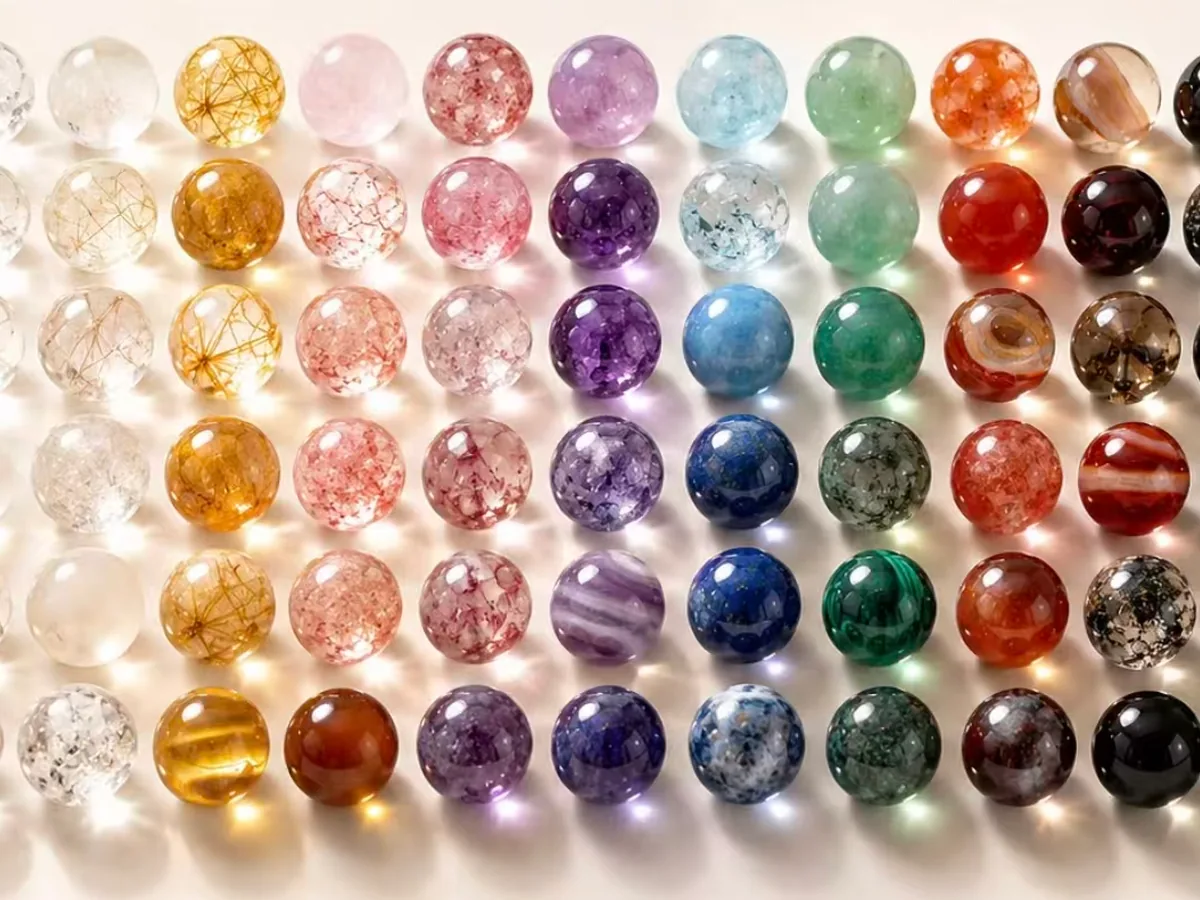
Start with the story
Find a gemstone meaning that fits the moment.
Use symbolism as a personal or cultural starting point—not a promise of a scientific or medical result. Then follow the practical links before you buy or wear.
Start with a complete guide
Useful answers before another gemstone list.
Moonstone vs labradorite
Appearance, durability, treatments, and which jewelry use fits each stone.
VerifyCheck sterling silver claims
Use hallmarks, seller disclosures, and practical checks without destructive home tests.
CareClean gemstone jewelry safely
Start with material, treatment, setting, and construction instead of a universal cleaning recipe.
Check the stone behind the symbolism
Find the right route into the gemstone library.
Start with the question you are trying to answer. Use mineral families only when classification helps you compare identity, treatment, durability, care, or buying context.
Browse gemstones by color
Use color as a starting clue, then compare transparency, pattern, hardness, treatments, and seller disclosures.
MeaningExplore meanings with context
Browse symbolism and personal rituals while keeping cultural associations separate from scientific claims.
TraditionCompare zodiac stones and birthstones
See where traditions overlap and where monthly birthstones, zodiac associations, and gem identity differ.
ReferenceSearch complete gemstone guides
Open individual guides for identity, treatments, jewelry suitability, buying checks, and care.
Make it wearable
Move from meaning to a better jewelry decision.
A gemstone story is only one part of the choice. Use these paths to check what the stone is, how to care for it, and whether the jewelry suits everyday wear.
About GemVerity
Meaningful choices, grounded guidance.
GemVerity is an independent English-language guide to gemstone meaning, jewelry style, gifting, buying, and care. We explore East Asian traditions while clearly separating cultural interpretation from mineral facts and practical guidance.
Read our methodMineral facts
Composition, structure, varieties, treatments, and care are identified as factual claims.
Cultural context
Symbolism and historical use are presented as culture or folklore, not medical evidence.